Language
English
French


Language
English
French




This panel evaluates the core hormones that regulate menstrual cycles, energy, mood, metabolism, and reproductive health.
This panel assesses how effectively the thyroid supports metabolism, temperature regulation, weight stability, and cognitive function.
Lipid panel, ApoB, Lp(a), and markers assessing heart disease risk and cognitive health factors.
These markers provide insight into blood sugar regulation, insulin sensitivity, and metabolic efficiency, which are key drivers of energy, weight regulation, and hormonal stability.
These markers assess how effectively the liver and kidneys process hormones, medications, and metabolic byproducts for safe hormone optimization and long-term treatment sustainability.


Every plan begins with a full diagnostic workup and evolves with you.









If your symptoms follow a monthly pattern, worsen before your period, involve irregular bleeding, persistent acne, hair changes, pelvic pain, or fertility struggles — hormones are likely involved. Our diagnostic panel helps identify the root cause.
Polycystic Ovary Syndrome (PCOS) is a hormonal condition that affects women of reproductive age. It is characterized by irregular menstrual cycles, excess androgen (male hormone) levels, and, in some cases, the development of small cysts on the ovaries. Symptoms may include weight gain, acne, hair thinning, and difficulty conceiving.
Premenstrual Dysphoric Disorder (PMDD) is a severe form of premenstrual syndrome (PMS) that affects a smaller percentage of women. It is marked by significant mood swings, irritability, anxiety, and depression in the days leading up to a period, along with physical symptoms like bloating and fatigue. PMDD can have a profound impact on daily life and mental health.
If your symptoms are severe enough to disrupt your daily life, relationships, or mental health, it could be more than PMS. PMDD and other hormonal imbalances often involve extreme emotional or physical symptoms that go beyond the typical discomfort associated with PMS. A healthcare professional can assess your symptoms and guide you toward the right diagnosis and treatment.
Yes. Hormone optimization requires understanding your full endocrine and metabolic profile. Blood work ensures safety, precision, and personalized treatment.
PCOS can often be significantly improved by targeting insulin resistance, restoring ovulation, and balancing androgens. Many women regain predictable cycles and improved metabolic health with proper treatment.
While surgery may be appropriate in some cases, hormonal modulation and inflammation control can significantly reduce symptoms and progression.
Yes. Optimizing ovulation quality, progesterone levels, thyroid function, and metabolic health significantly improves conception potential.
We provide a comprehensive approach to your hormonal health, including extensive bloodwork, consultations, personalized treatment plans, and evidence-based recommendations. Based on your unique needs, treatments may include prescription medications, supplements, and lifestyle advice to help manage your symptoms effectively.
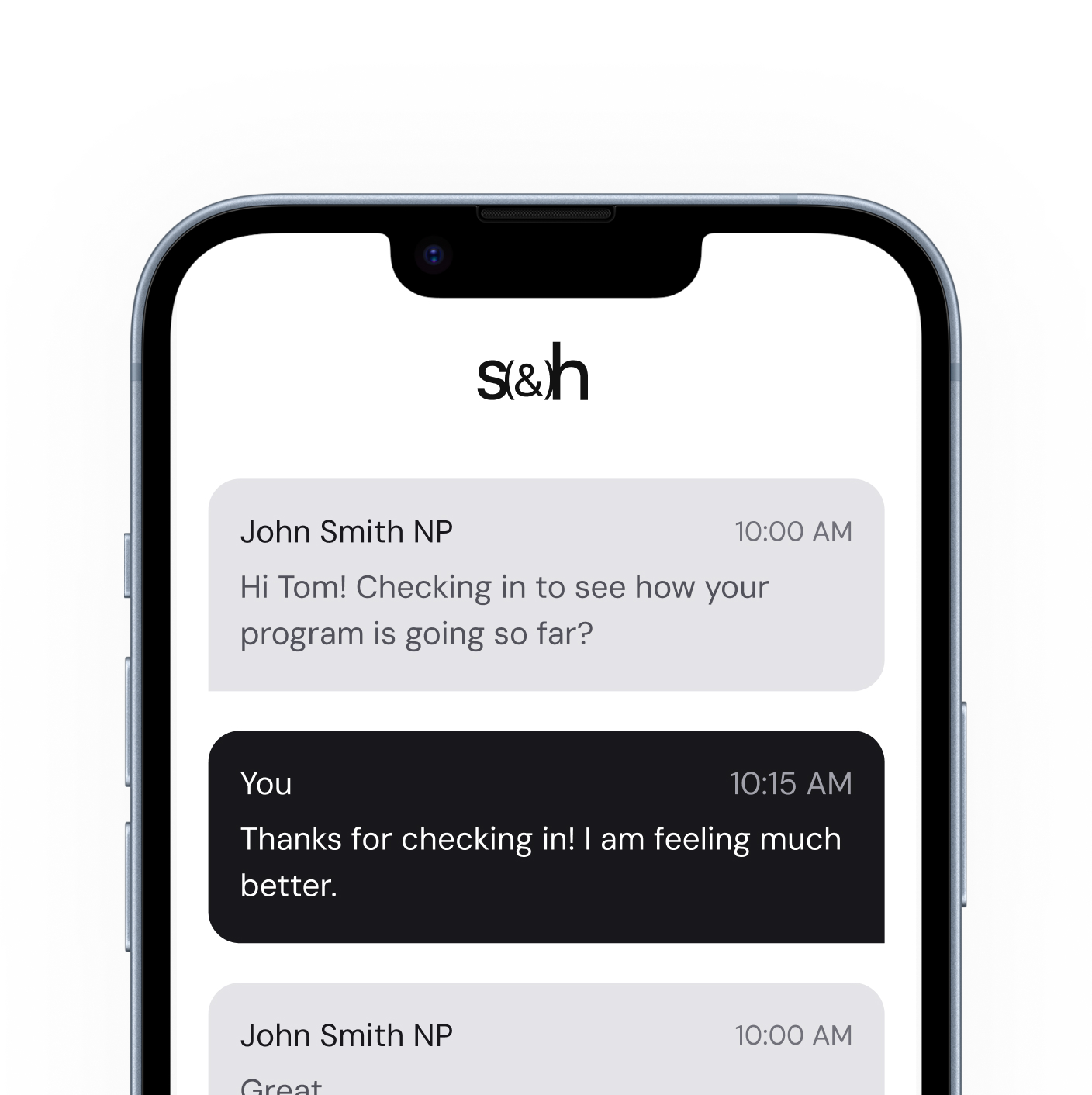
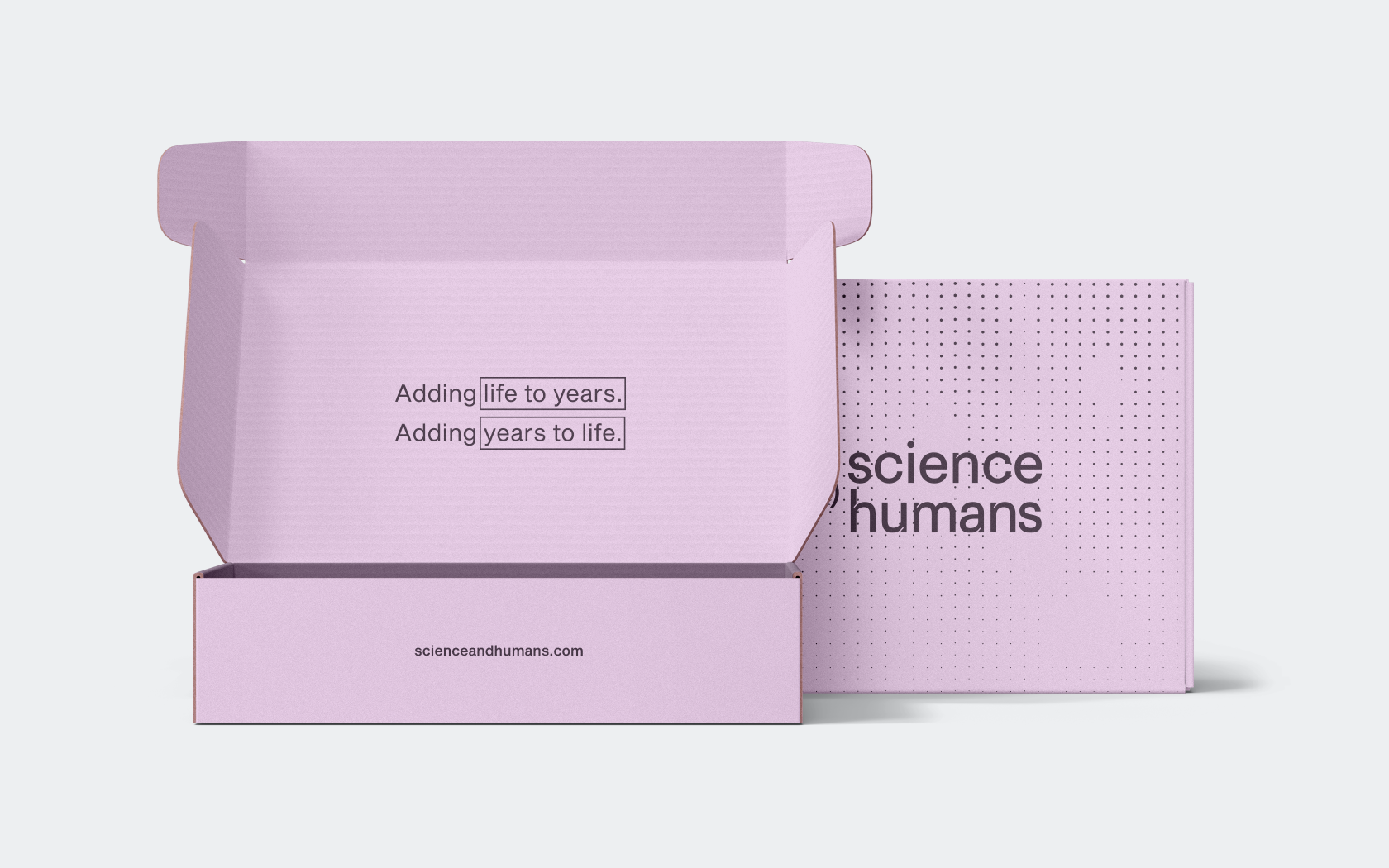
Our virtual hormone program starts with a simple online health assessment, followed by a comprehensive blood work panel. Once your results are reviewed, you’ll have a video consultation with a licensed clinician to discuss your symptoms and receive a personalized treatment plan. If prescribed, your medication is shipped directly to you in a 3-month supply, with quarterly follow-ups to monitor progress and adjust treatment as needed.
Yes, our service is specialized in addressing hormonal imbalances like PCOS, PMS, and PMDD. While family doctors provide general healthcare, we focus exclusively on your hormonal health, offering personalized care plans, in-depth consultations, and advanced testing tailored to your specific needs.